
Calm schools start with
Mind Wellbeing
A whole-school preventative approach to self-regulation, emotional agility, and learning readiness.






Why mental health in schools need a new approach
403,955
children awaiting consultant led treatment

1 in 5
children and young people aged 8 to 25 years had a probable mental disorder (2023)
500+
children a day in England are being referred to NHS mental health services for anxiety

“The initiative has had a significant positive impact across the nursery, including the introduction of breathing techniques taught through songs and animated characters, making learning engaging and accessible for young children. Those who previously struggled with anxiety or behavioural regulation now confidently apply coping strategies in the moment.”

Doncaster Free Press — read more
Introducing
the World of Wonderfill (WoW)
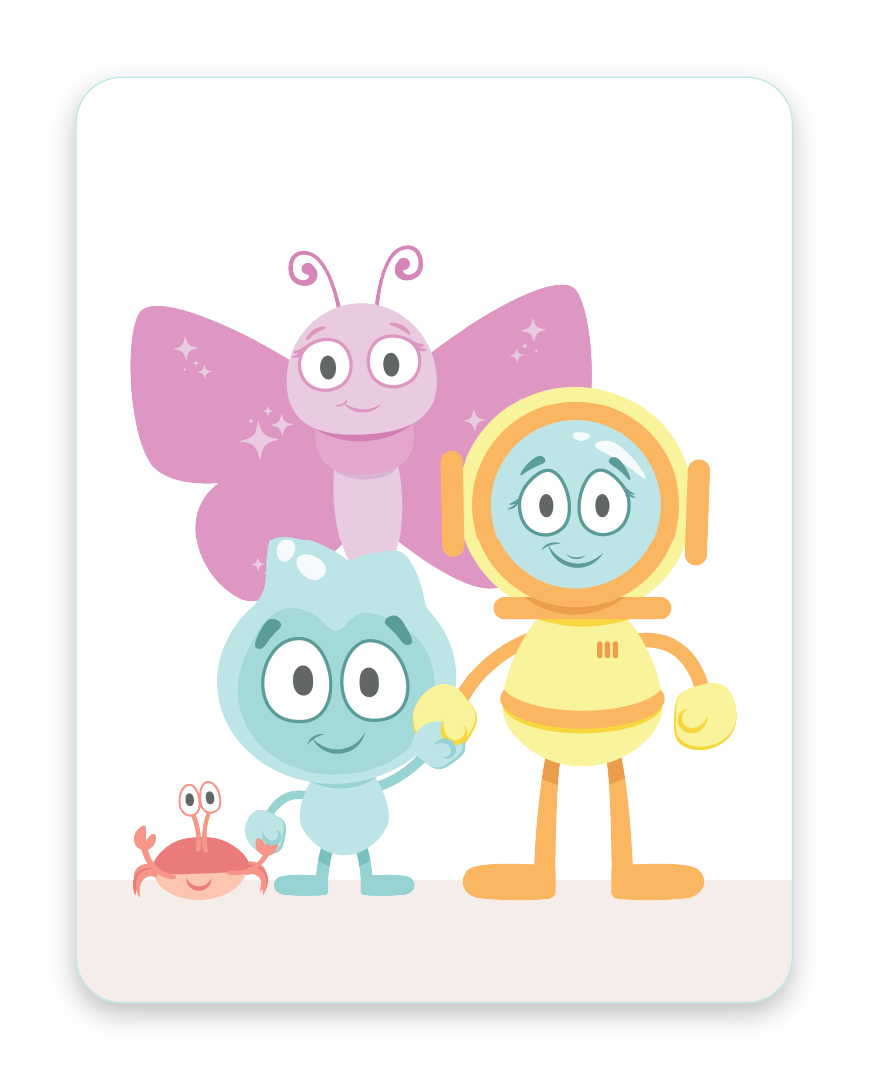
Welcome to the world of Wonderfill.
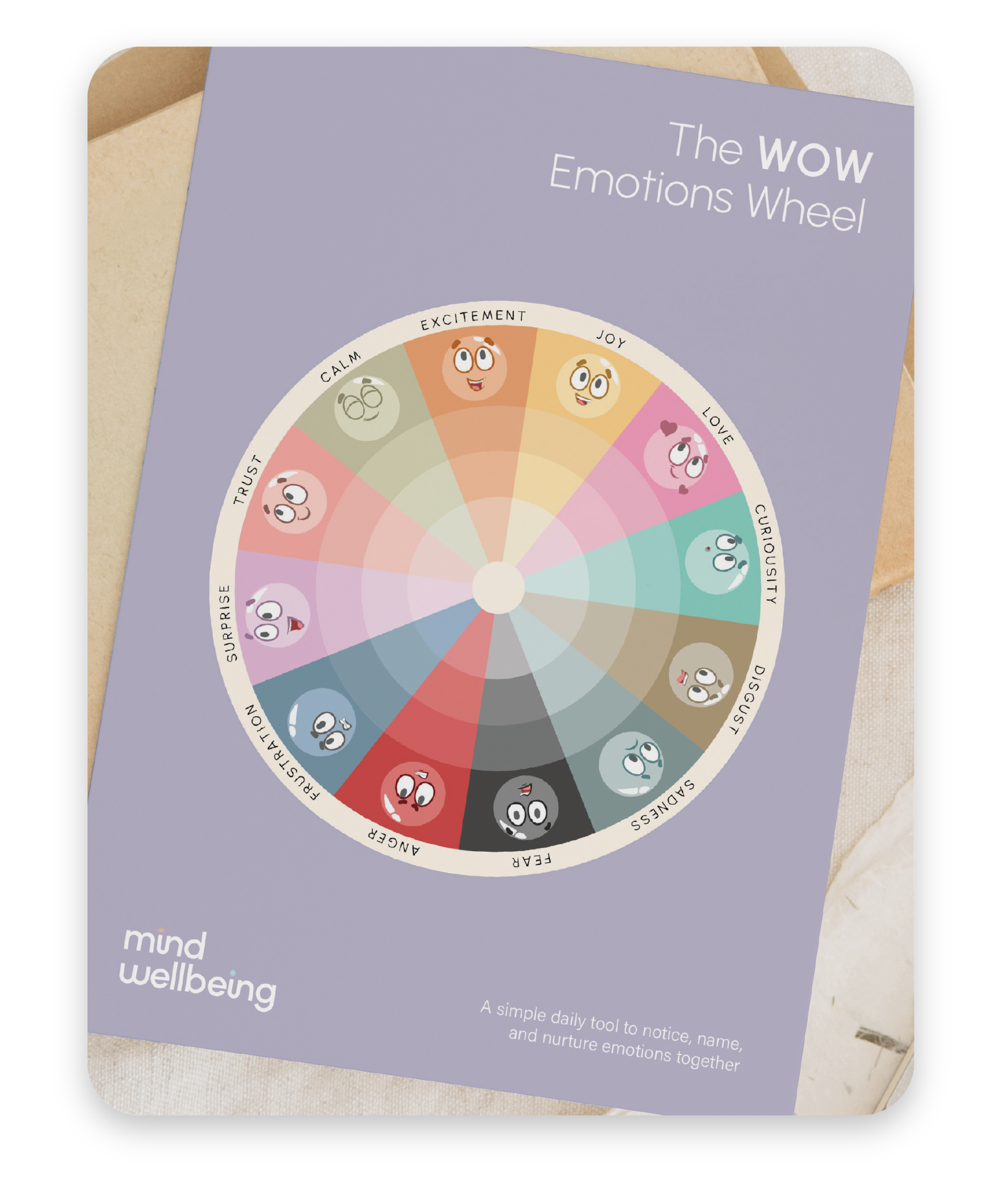
A place where wellbeing starts in the body and grows through awareness, movement, language, and connection.
WOW turns sensations into stories, stories into skills, and skills into lifelong wellbeing, felt daily, not just taught.
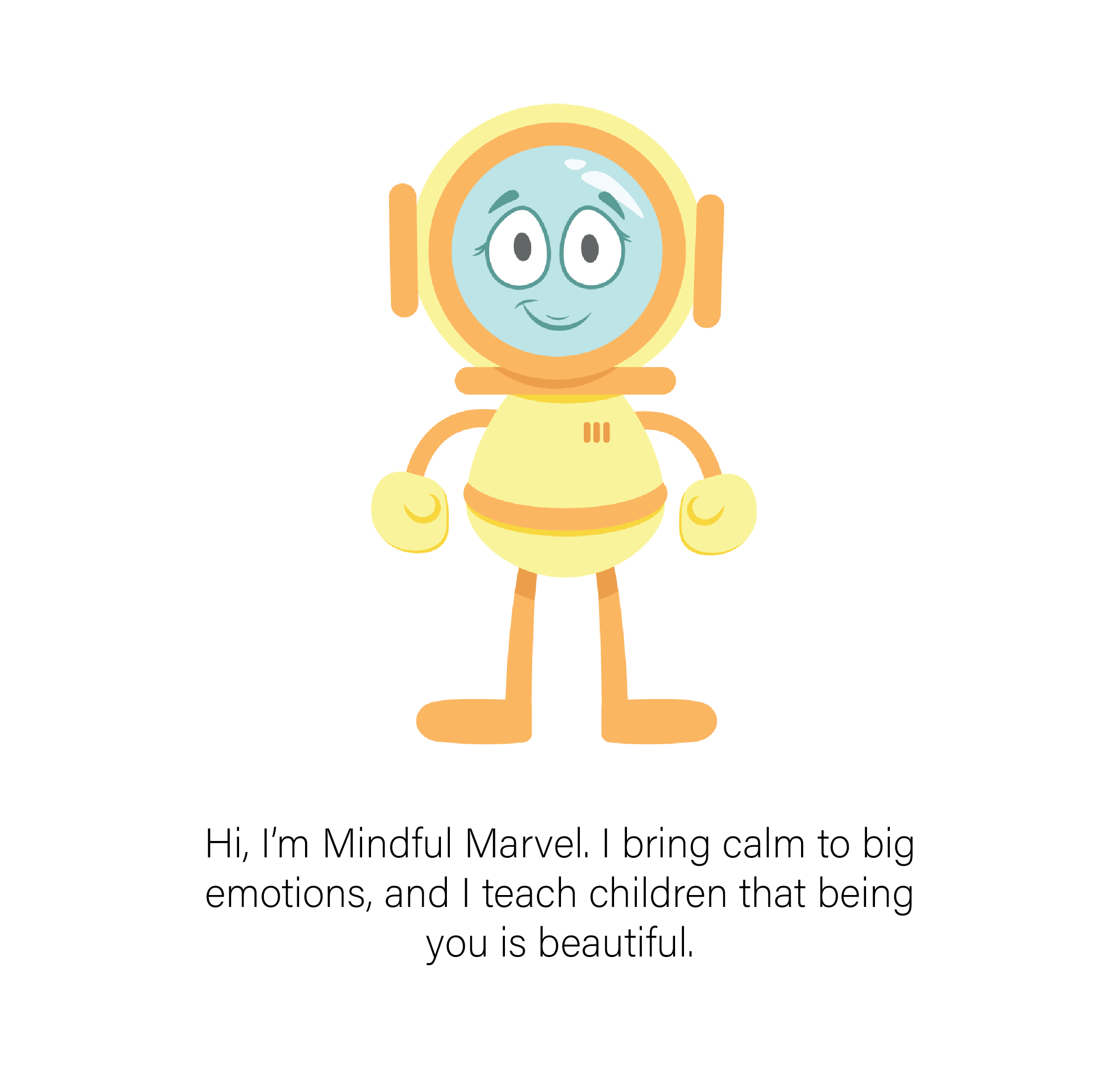

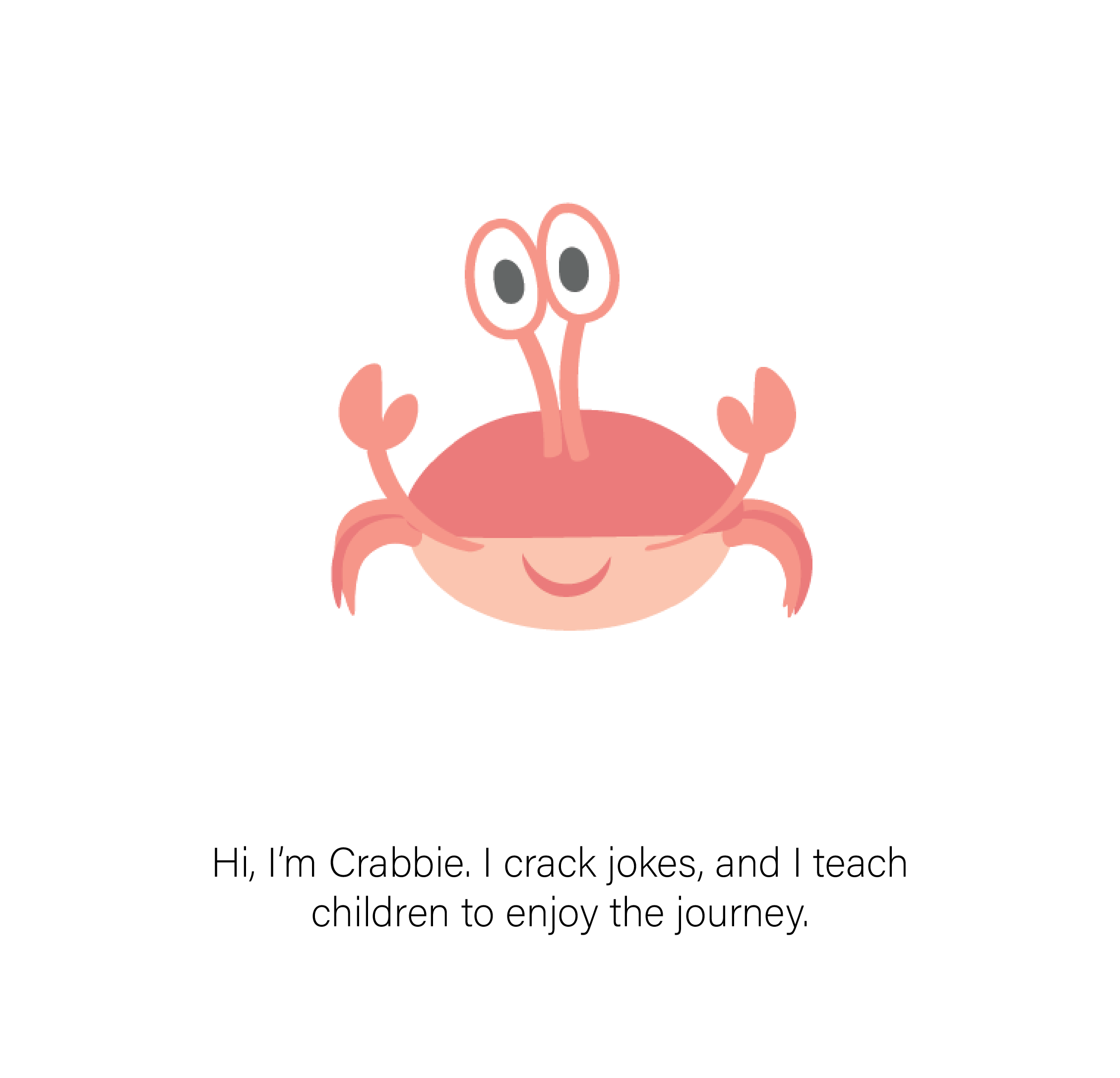
How Mind Wellbeing for schools works

-
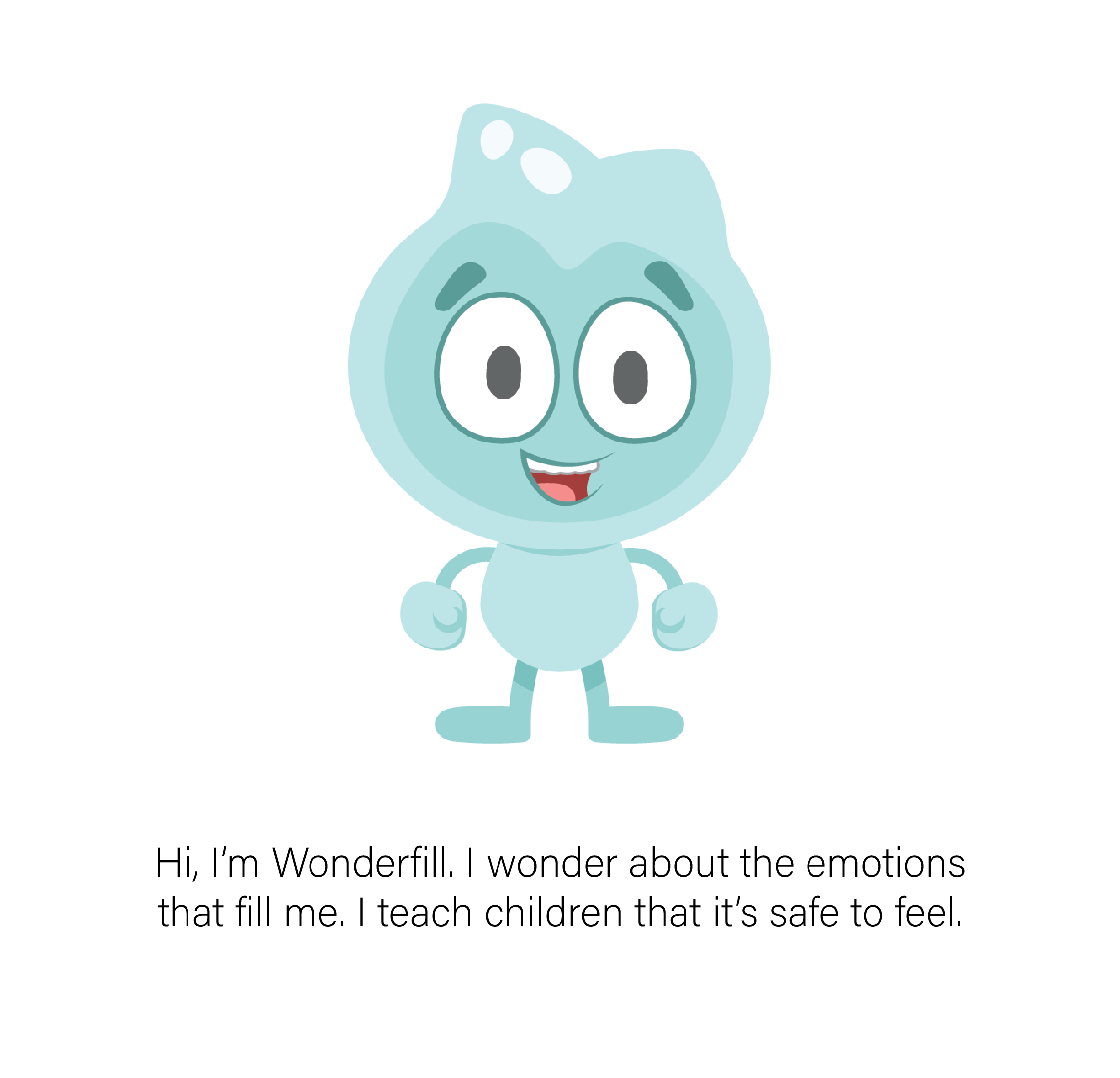
Children explore emotions through relatable characters and narratives.
-
Children learn the importance of words to help them communicate and connect with others.

-
Short activities at the start and end of day help children put the right foundations in place.

-
Emotional understanding becomes embedded into everyday school life.
Aligned to…
Ofsted
Wellbeing Framework
EYFS
Statutory Framework
PSHE
Programme of Study
SEND
Best Practice
No extra workload. No extra prep.
Designed to fit seamlessly into your school day.
Wellbeing that works for everyone

For school leaders
Reduced reliance on reactive interventions
Fewer CAMHS referrals over time
Clear alignment with PSHE and wellbeing frameworks

For teachers and staff
Fewer behaviour-related disruptions
Reduced emotional escalation
Renewed joy and purpose
in classroom

For children
(aged 3-7)
Better emotional understanding
Greater confidence
and self-trust
Feel safe expressing
how they feel
What makes Mind Wellbeing different to other mental health and wellbeing support providers
| Mind Wellbeing | Other wellbeing programmes | |
|---|---|---|
| Where it starts | Starts with helping children recognise and regulate emotions | Often starts with mindset, behaviour or coping strategies |
| How resilience develops | Builds ‘emotional agility’ and learning to move through feelings safely | Focus on “bouncing back” or staying positive |
| Use of language | Shared emotional language is central and used daily by staff and pupils | Language supports learning, but is not the main focus |
| How children learn | Through immersive stories and relatable characters | Through structured lessons, animations or worksheets |
| Experience vs Explanation | Children experience emotional change first, then make sense of it | Concepts are usually explained before being experienced |
| Activities and tools | Built-in movement, breathing and regulation activities | Often relies on external videos or additional resources |
| Long-term impact | Builds strong emotional foundations early | Often short-term or reactive |
| Whole-school culture | Designed to create a shared emotional culture | Usually delivered as lessons or standalone sessions |
“We are already seeing positive changes in the children, how they manage their emotions, and self-regulate. We are looking forward to embedding this approach across our whole school.”
Teacher
Want to see how it all works?
Book an informal chat with me, Hannah Dunn (founder), to understand what impact Mind Wellbeing can have in your school.
“The parent training is truly fantastic, and has opened me up to the changes required in the words and language we use to our children, and how this would assist in installing positive self-belief and mind wellbeing in our children.’
Parent